
You have just invested in your smile, and the results are likely immediate and striking. Professional in-office UV-activated teeth whitening is one of the most effective ways to lift years of staining and reveal a brighter, more confident version of yourself. But the process doesn’t end when you leave the dental chair. The first 48 hours after your treatment are critical for locking in those results and ensuring your teeth stay brilliant for the long haul.
Your teeth are currently in a heightened state of susceptibility. The pores in your enamel are open, making them more prone to absorbing pigments from food and drink. This guide will walk you through exactly how to care for your teeth during this crucial window and beyond, ensuring your investment pays off for months to come.
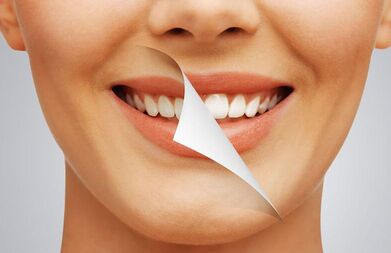
The “White Diet”: Navigating the First 48 Hours
The most important rule to remember immediately following your procedure is simple: if it can stain a white t-shirt, it can stain your teeth. During the first two days post-treatment, your enamel acts like a sponge. To prevent immediate re-staining, you need to be vigilant about what you consume.
Avoid Staining Foods and Drinks
For the next 48 hours, you should strictly refrain from consuming deeply pigmented foods and beverages. This isn’t a permanent lifestyle change, but a temporary measure to protect your results.
Beverages to Avoid:
- Coffee and Tea: These are the biggest offenders. Even with milk, the tannins can penetrate the enamel.
- Red Wine: The deep red pigments are notorious for staining even untreated teeth.
- Soda: Dark colas and even colored fruit sodas contain dyes and acids that can undo your whitening.
- Fruit Juices: Grape, cranberry, and orange juice can be highly acidic and pigmented.
Foods to Avoid:
- Berries: Blueberries, blackberries, and raspberries are healthy but dangerous for a newly whitened smile.
- Sauces: Tomato sauce, soy sauce, curry, and balsamic vinegar should be avoided.
- Dark Chocolate: Stick to white chocolate or vanilla-based desserts for now.
What Can You Eat?
Focus on “white” or colorless foods. This includes chicken, turkey, white fish, white rice, pasta (with white sauce), cauliflower, potatoes, bananas, and yogurt. Water and milk are your best beverage choices during this period.
No Smoking
If you use tobacco products, this is the time to take a break. You must avoid smoking or using any tobacco products for at least 48 hours. Tobacco contains tar and nicotine, which can rapidly yellow teeth. Because your enamel pores are open, smoking immediately after whitening can cause severe, uneven staining that is difficult to reverse.
Managing Sensitivity and Oral Hygiene
It is not uncommon to feel a “zing” or general sensitivity in your teeth following a high-intensity UV whitening session. This is usually a temporary side effect caused by the penetration of the whitening agent into the enamel tubules.
Sensitivity Care
Some patients may experience tooth sensitivity to air, cold, or heat. This is a normal reaction and typically subsides within 24 to 48 hours.
- Desensitizing Toothpaste: If you feel discomfort, switch to a toothpaste designed for sensitive teeth (like Sensodyne). You can even rub a little bit of the paste directly onto the sensitive areas and leave it for a few minutes before rinsing.
- Temperature Control: Avoid extremely hot or cold foods and drinks. Room-temperature water and lukewarm food will be much more comfortable for your teeth during this recovery phase.
- Pain Relief: If the sensitivity is distracting, over-the-counter pain relievers like ibuprofen or acetaminophen can help manage the discomfort.
Good Oral Hygiene
Keeping your mouth clean is essential, but you need to be gentle.
- Brush Gently: Use a soft-bristled toothbrush. Hard bristles can be abrasive on enamel that is temporarily sensitive.
- Non-Abrasive Toothpaste: Avoid “whitening” toothpastes for a few days. These often contain abrasive particles that scrub the surface of the teeth, which can aggravate sensitivity right after a professional treatment.
- Floss Daily: Continue to floss daily to remove plaque and keep your gums healthy. Clean teeth look brighter and healthier.
Long-Term Maintenance for a Radiating Smile
Once you pass the initial 48-hour window, you can return to your normal diet and routine. However, maintaining that “just-whitened” look requires some ongoing attention. Teeth are porous, and life is full of staining agents. A little mindfulness goes a long way.
Whitening Touch-Ups
Whitening is not a permanent fix. Over time, natural aging and dietary habits will cause your teeth to dim slightly. To maintain your bright smile, consider scheduling touch-up treatments every 6-12 months, as recommended by your dentist. These maintenance sessions are often shorter and less intensive than your initial treatment but are enough to boost the brightness back up.
Daily Habits
- Drink Through a Straw: When drinking iced coffee, tea, or soda, use a straw. This bypasses the front teeth and reduces the liquid’s contact with your enamel.
- Rinse With Water: If you do consume staining foods or drinks, swish some water around your mouth immediately afterward. This helps wash away pigments and acids before they can settle into the teeth.
When to Contact Us
While post-operative sensitivity is normal, it should not be debilitating or long-lasting. If you experience sharp pain that persists beyond 48 hours, or if you have concerns about the appearance of your gums (white spots on gums are usually temporary blanching and fade quickly), please reach out to us.
Follow-Up
Schedule a follow-up appointment with us if you have any concerns or experience prolonged discomfort. We are here to ensure that your journey to a brighter smile is as comfortable and successful as possible. Your satisfaction and oral health are our top priorities at The Dentist.
By following these simple guidelines, you protect your investment and ensure your smile remains a dazzling asset. Enjoy your new look!