
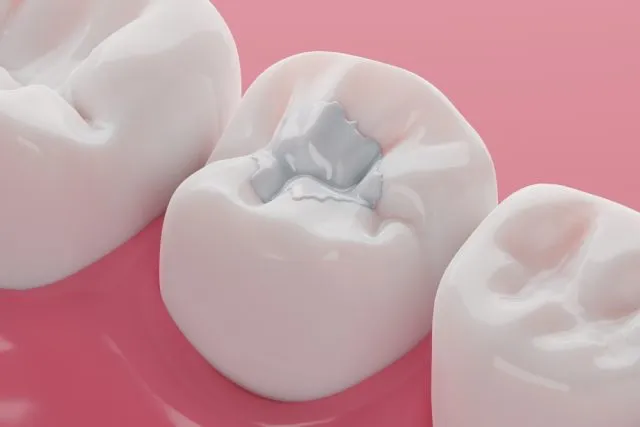
Getting a cavity filled is a routine step in keeping your smile bright and healthy. By choosing a composite, or tooth-colored filling, you have successfully restored both the strength and the natural look of your tooth. But what happens after you leave the dentist’s chair?
Knowing exactly how to care for your mouth after a procedure ensures a smooth and comfortable recovery. Whether this is your first filling or your fifth, a quick refresher on proper aftercare is always helpful. We created this comprehensive guide to help you manage numbness, understand normal sensitivity, and protect your newly repaired tooth.
When Can You Resume Eating?
One of the best benefits of a composite filling is how quickly the material cures. We use a special curing light during your procedure that hardens the tooth-colored resin instantly. This means your new filling is fully set the moment you step out of our office.
You do not need to wait for the filling itself to dry or harden. However, you should still exercise caution before sitting down for a meal.
If we used a local anesthetic during your treatment, your lips, teeth, and tongue will remain numb for several hours. Because of this numbness, we highly recommend waiting to chew any solid foods until you regain full feeling in your mouth.
Managing Numbness Safely
Local anesthesia is incredibly helpful for a pain-free procedure, but it requires some careful management once you head home. When your mouth is numb, you lose the ability to feel temperature and pressure accurately.
Avoid drinking hot beverages like coffee or tea until the anesthesia wears off completely. It is surprisingly easy to accidentally burn your lips or mouth when you cannot feel the heat. Furthermore, if you choose to eat while numb, you risk severely biting your tongue, lips, or the inside of your cheek.
A Special Note for Parents
If your child just received a composite filling, please observe them closely until their numbness fades. Children often find the lingering numb sensation strange or fascinating. They might unknowingly chew or suck on the inside of their cheeks and lips. This habit can cause serious damage to their soft tissues. Keep them distracted and offer them cool, soft foods like yogurt or applesauce once it is safe to eat.
Caring for Your Newly Filled Teeth
Treat your newly filled tooth much like you treat your natural teeth. Composite resin is highly durable, but it is not indestructible.
To protect your restoration, avoid chewing on excessively hard items. Biting down on hard candy, ice cubes, or unpopped popcorn kernels can chip or crack your new filling. Stick to a balanced diet and maintain your normal brushing and flossing routine to keep the surrounding tooth structure healthy and free of decay.
You might notice that your finished restoration feels slightly different from your original tooth. The texture might seem unfamiliar, or the contour might feel new. Keep in mind that your tongue is highly sensitive and often magnifies these tiny differences. Within a few days, your mouth will completely adjust, and you will likely forget the filling is even there.
Handling Normal Post-Filling Sensitivity
It is completely normal to experience some sensitivity after a dental restoration. Your tooth just went through a minor surgical procedure, and the internal nerve needs time to settle down.
For the first few weeks, you may notice heightened sensitivity to extreme temperature changes, like drinking a glass of ice water or eating hot soup. You might also feel a slight twinge of pressure when biting down. Generally, the deeper your cavity was, the more sensitive your tooth will feel afterward.
To alleviate this tenderness, you can take over-the-counter pain medications such as Ibuprofen (Motrin or Advil), Tylenol, or aspirin. Follow the package instructions for the correct dosage.
Additionally, the gum tissue right next to your new filling might feel irritated or sore for a few days. The site where we administered the anesthetic injection can also feel slightly bruised. Rinsing gently with warm salt water can help soothe these minor irritations.
Checking Your Bite Alignment
We always do our best to shape your new filling to perfectly match your natural bite. However, it is difficult to test your bite accurately while your mouth is still numb.
Once the anesthesia wears off, pay attention to how your teeth come together. If you feel like your bite is “off” or if the filled tooth hits before your other teeth, let us know. Chewing on an unbalanced filling can cause unnecessary pain and even damage the restoration over time. We can easily fix this with a simple, quick adjustment at the office.
When to Contact Edgemere Dental
Your comfort is our top priority. While mild sensitivity is normal, certain symptoms warrant a quick phone call to our team. Please reach out if you experience:
- Sensitivity that persists beyond a few weeks.
- Sensitivity or pain that suddenly increases in severity.
- Persistent, throbbing pain in the treated tooth.
- An uneven bite or strange pressure when chewing.
If you have any questions, concerns, or need to schedule a minor bite adjustment, we are always here to help. Contact Edgemere Dental today, and let us ensure your smile stays healthy, comfortable, and beautifully restored.